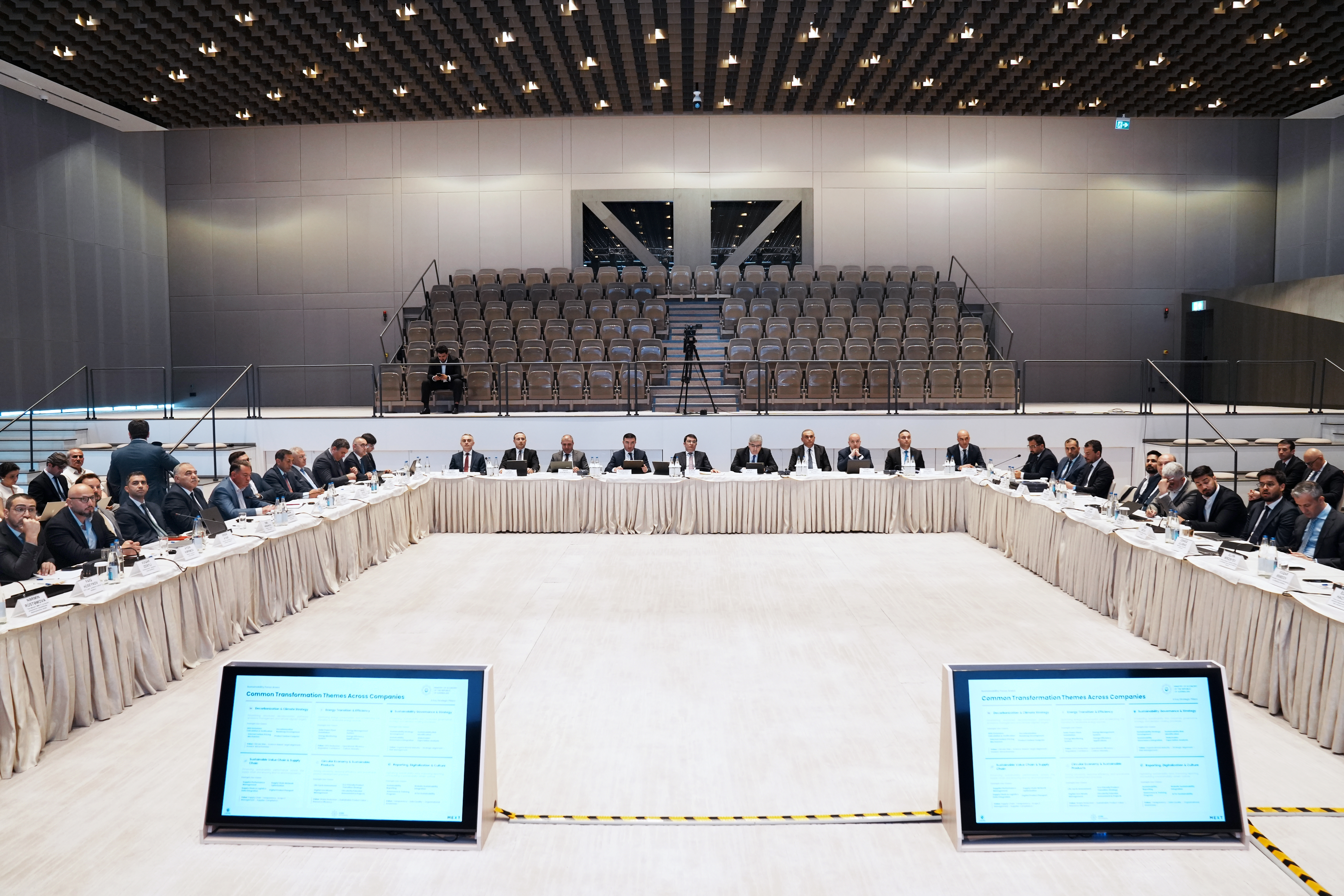
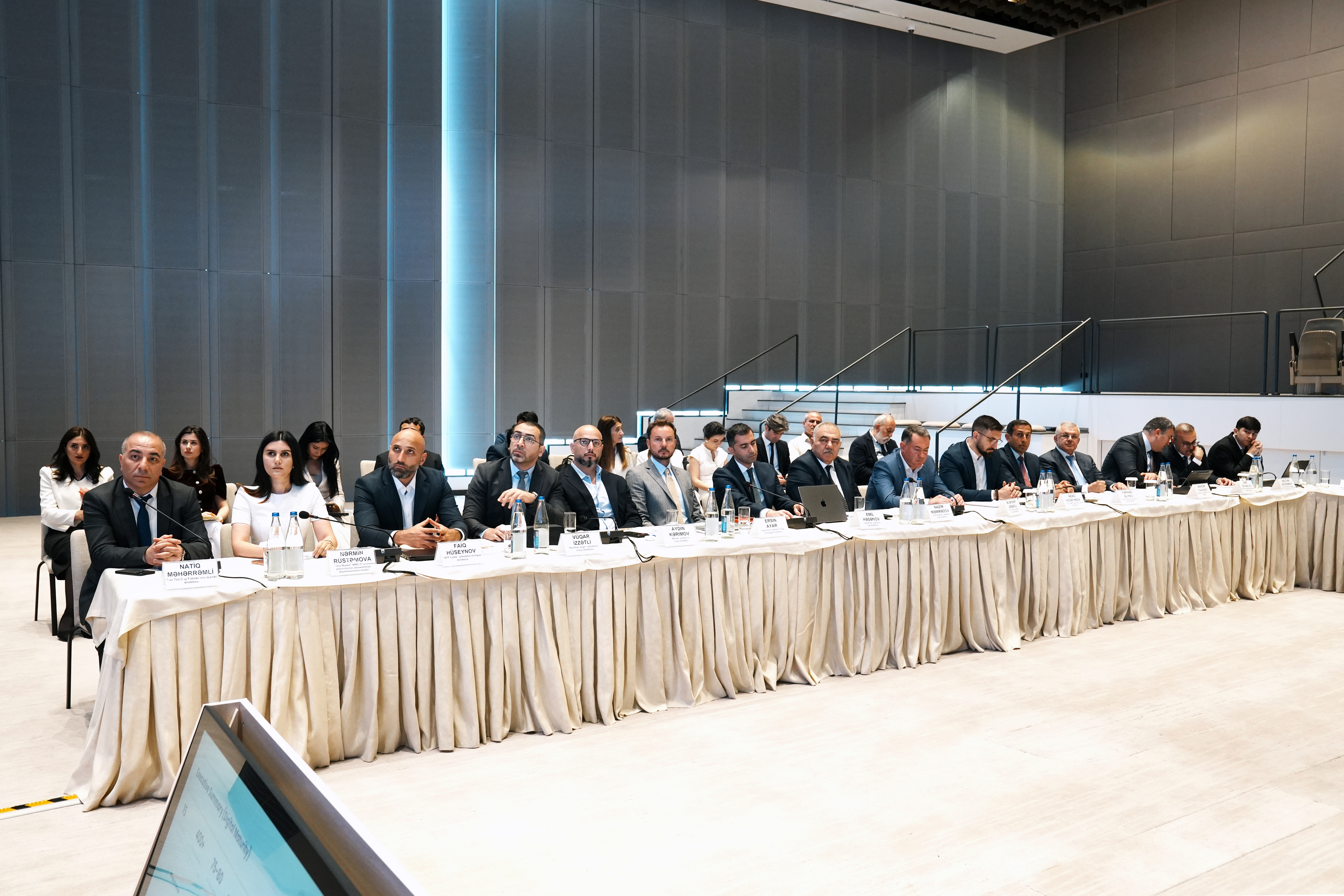
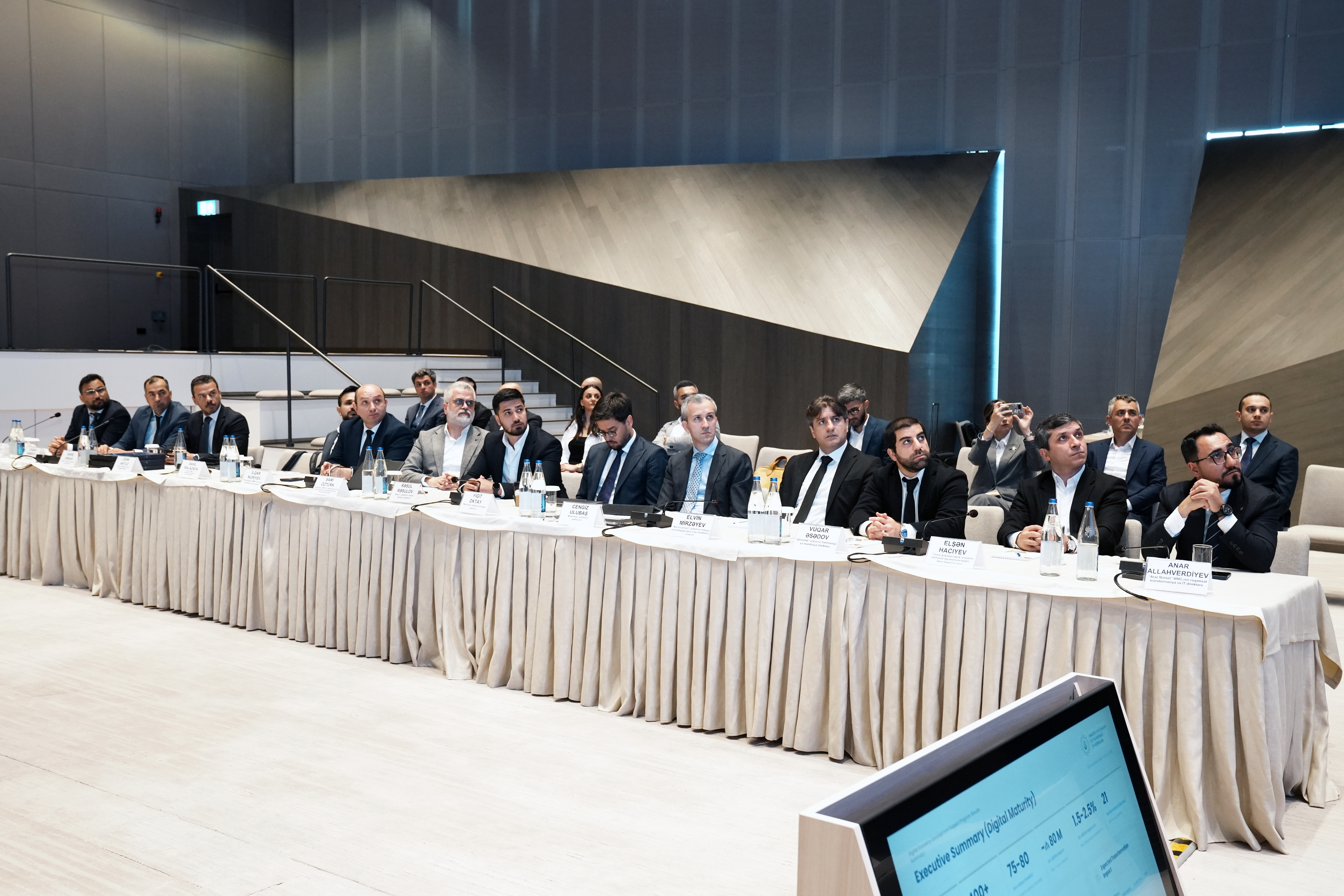
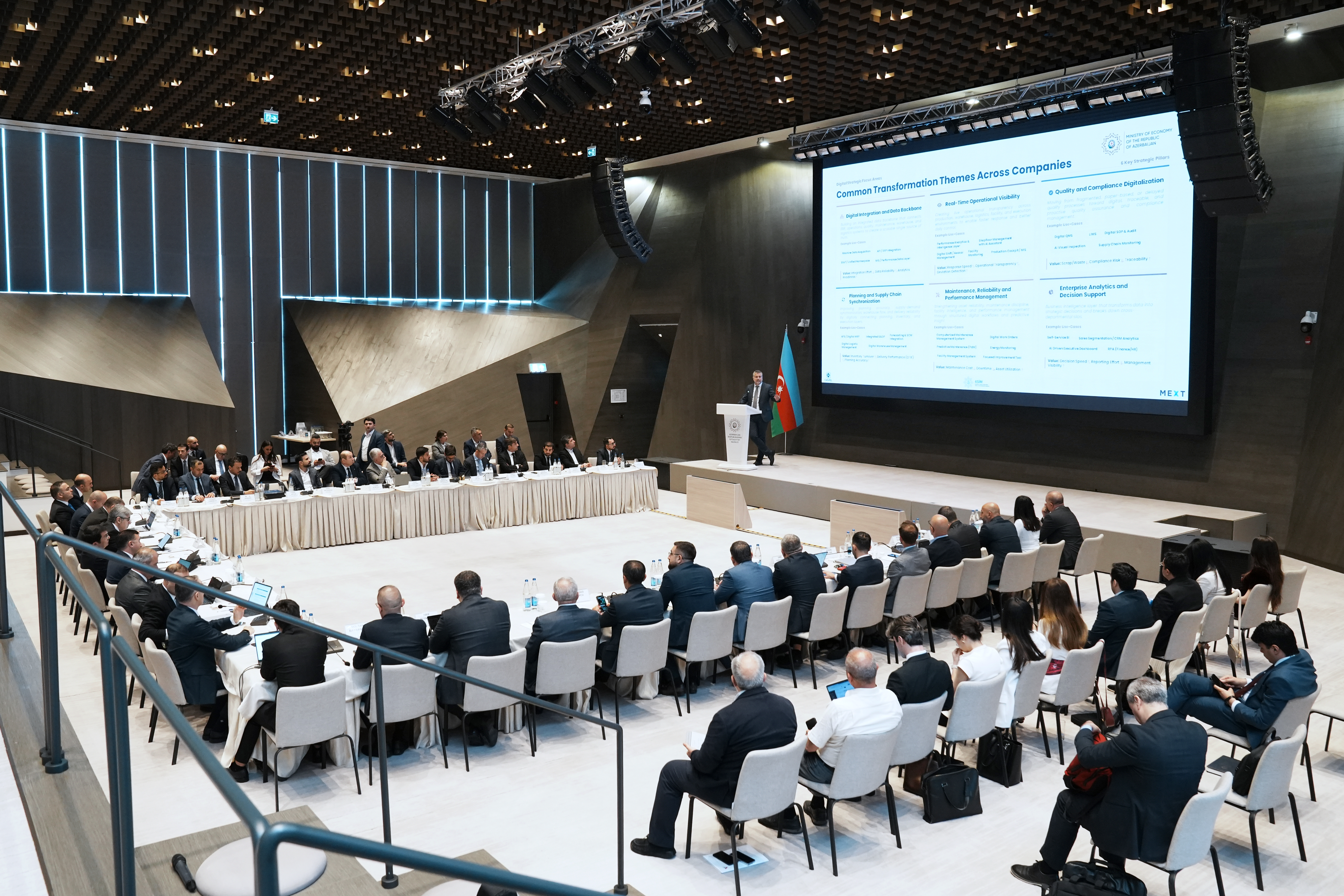
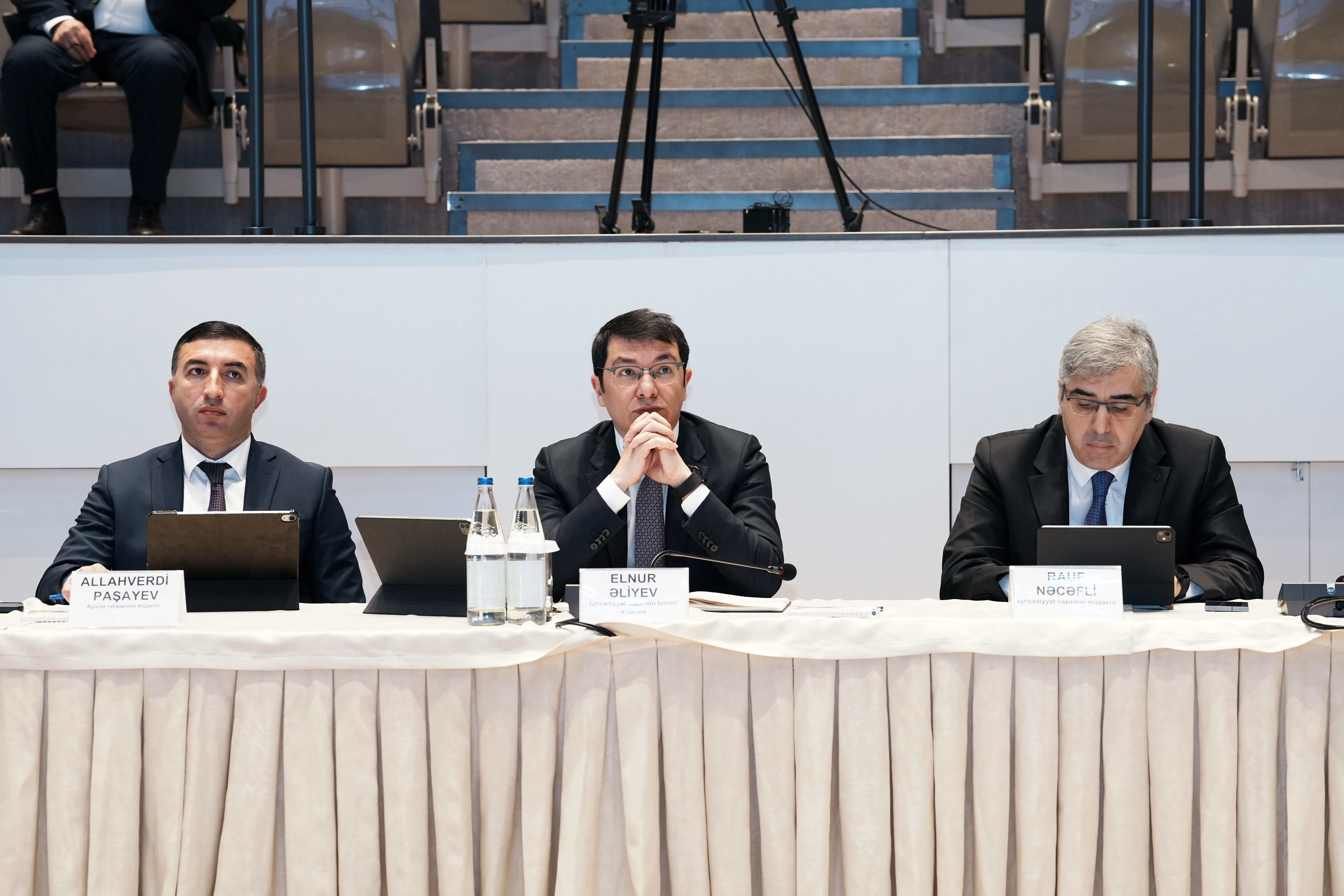
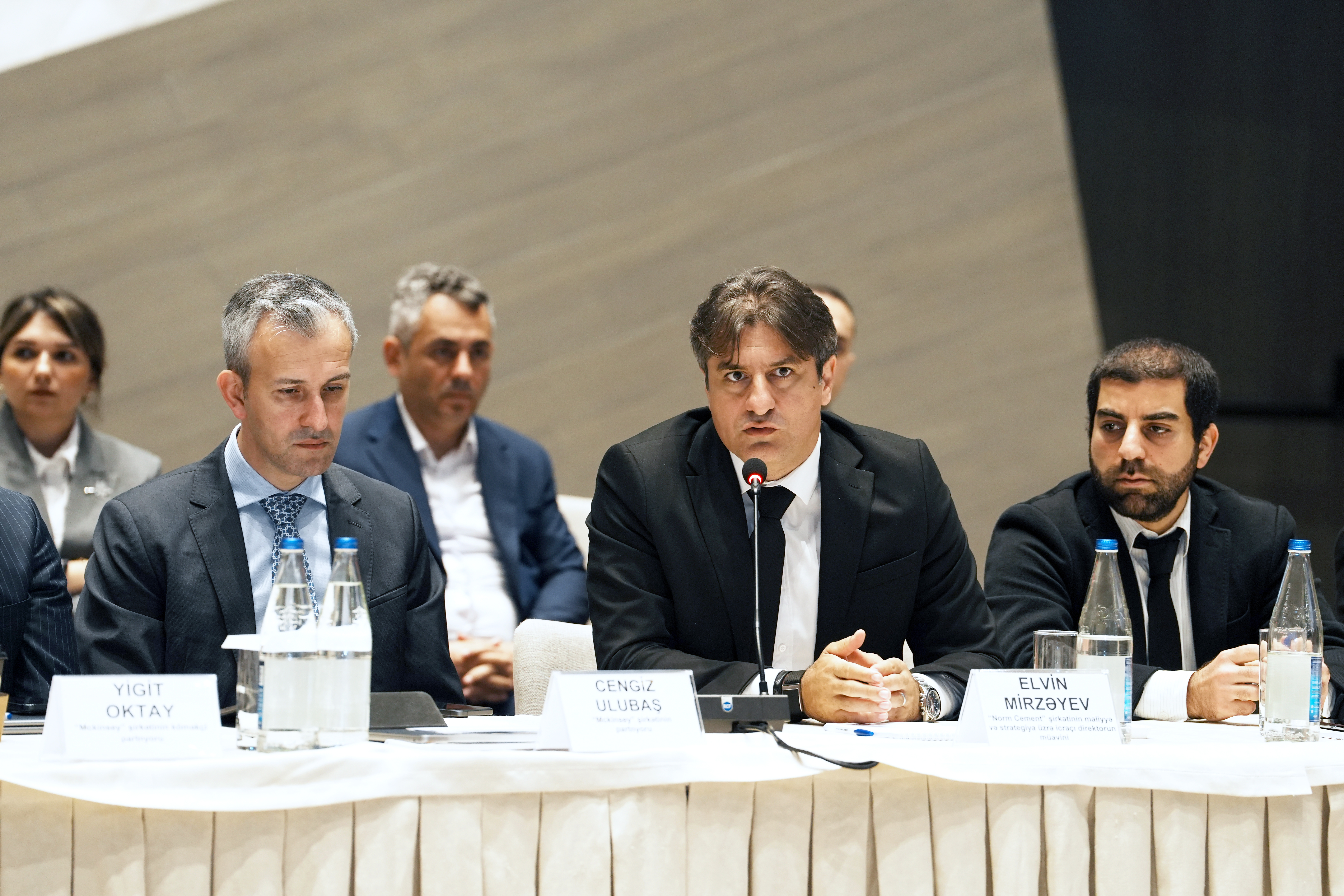
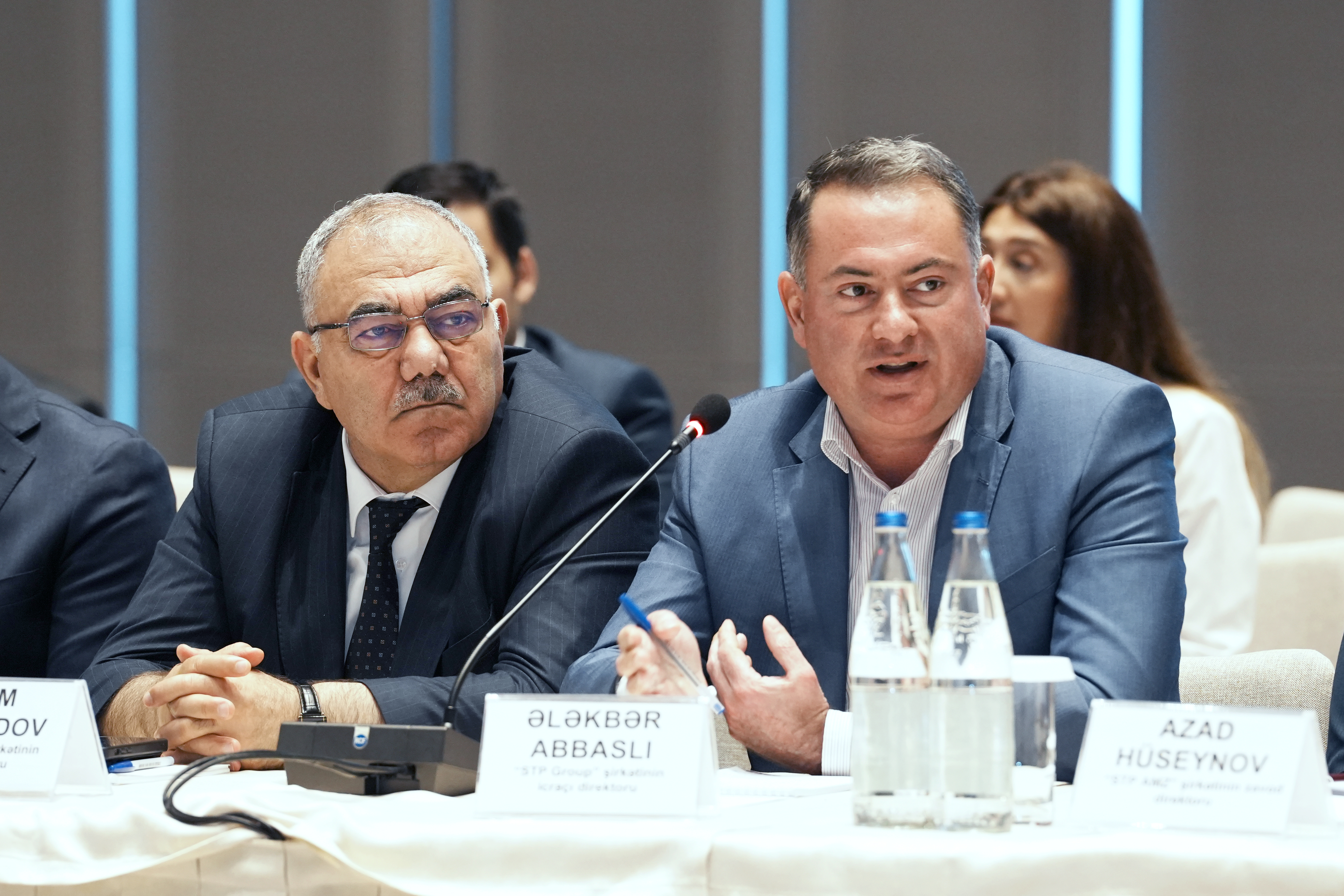
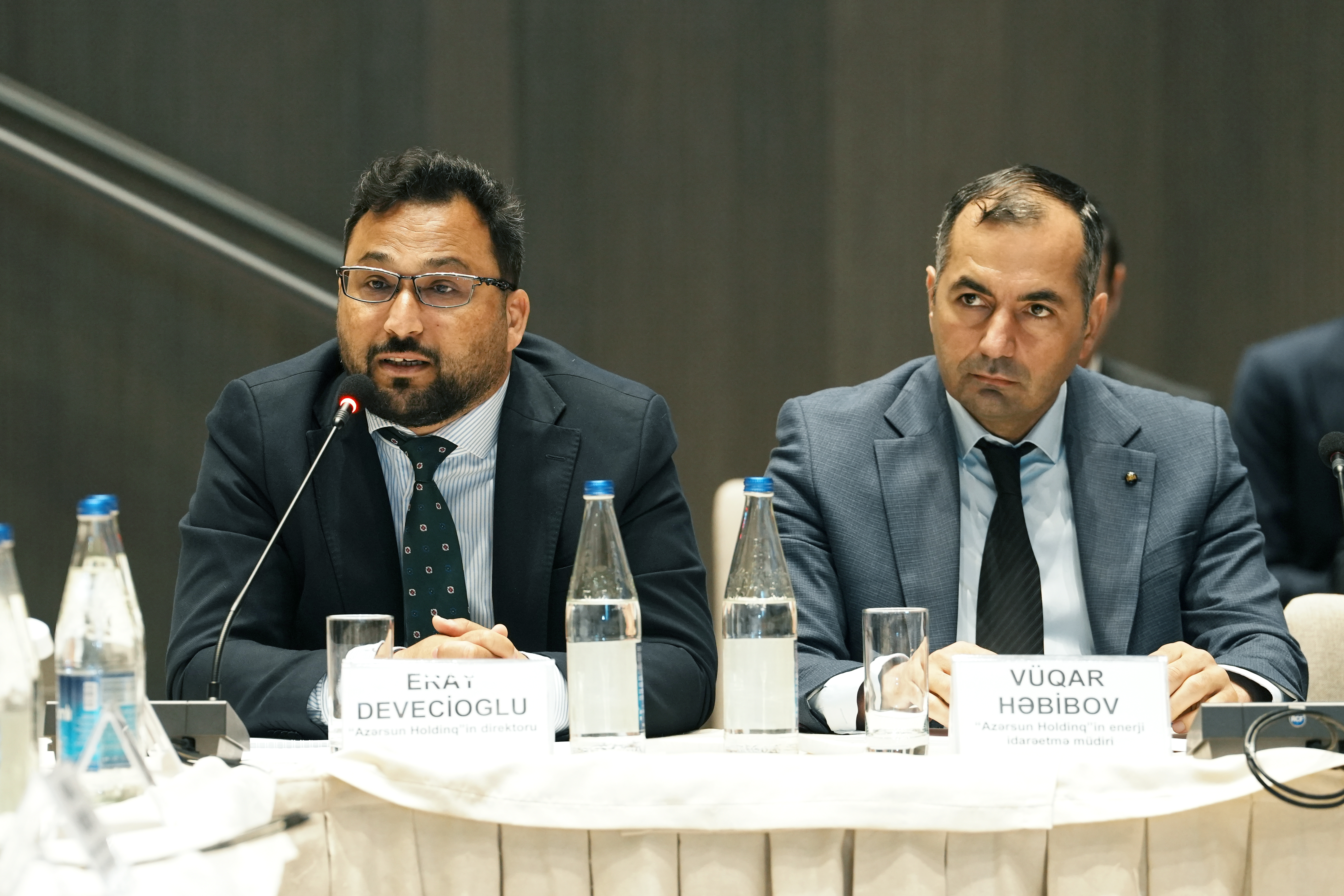
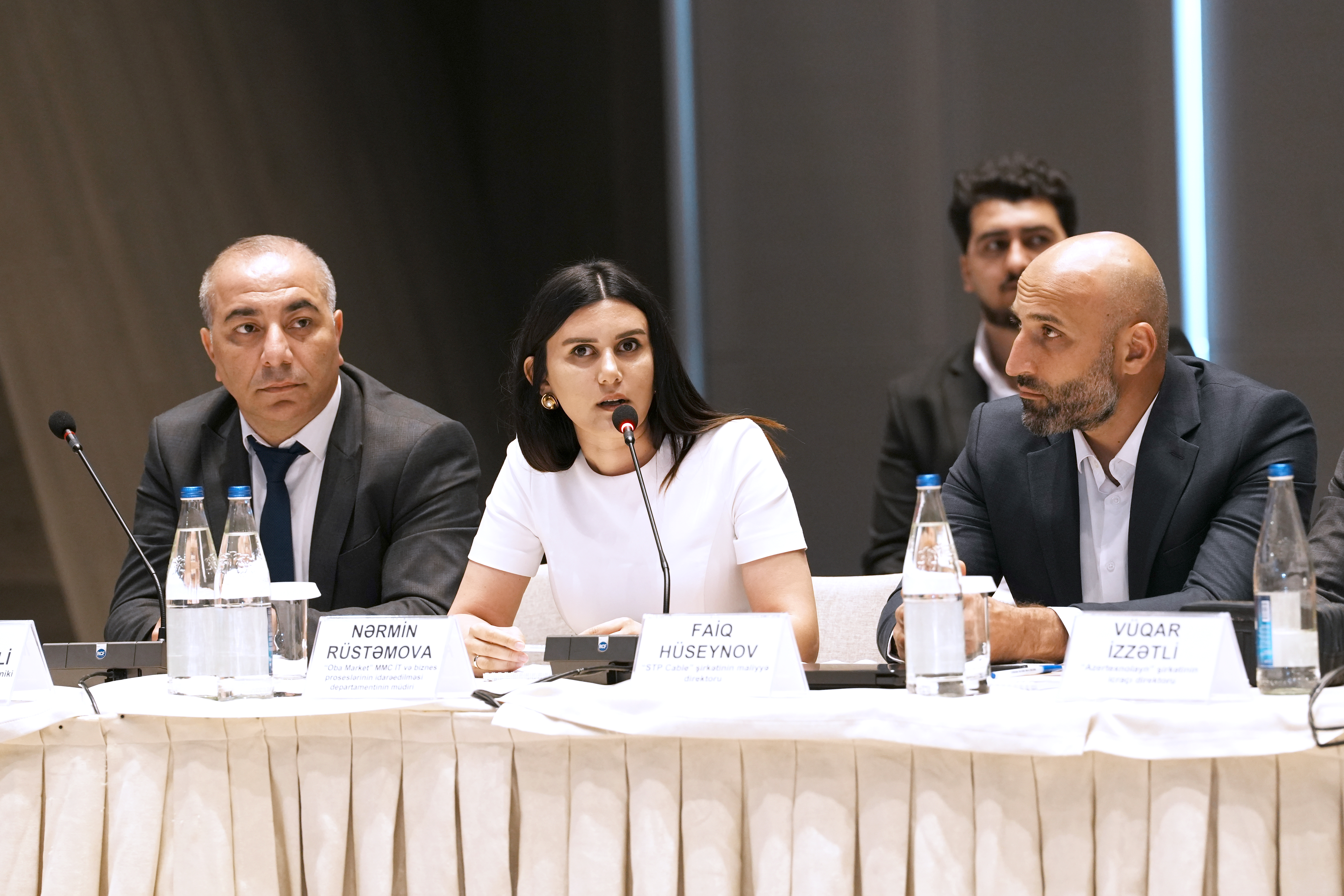
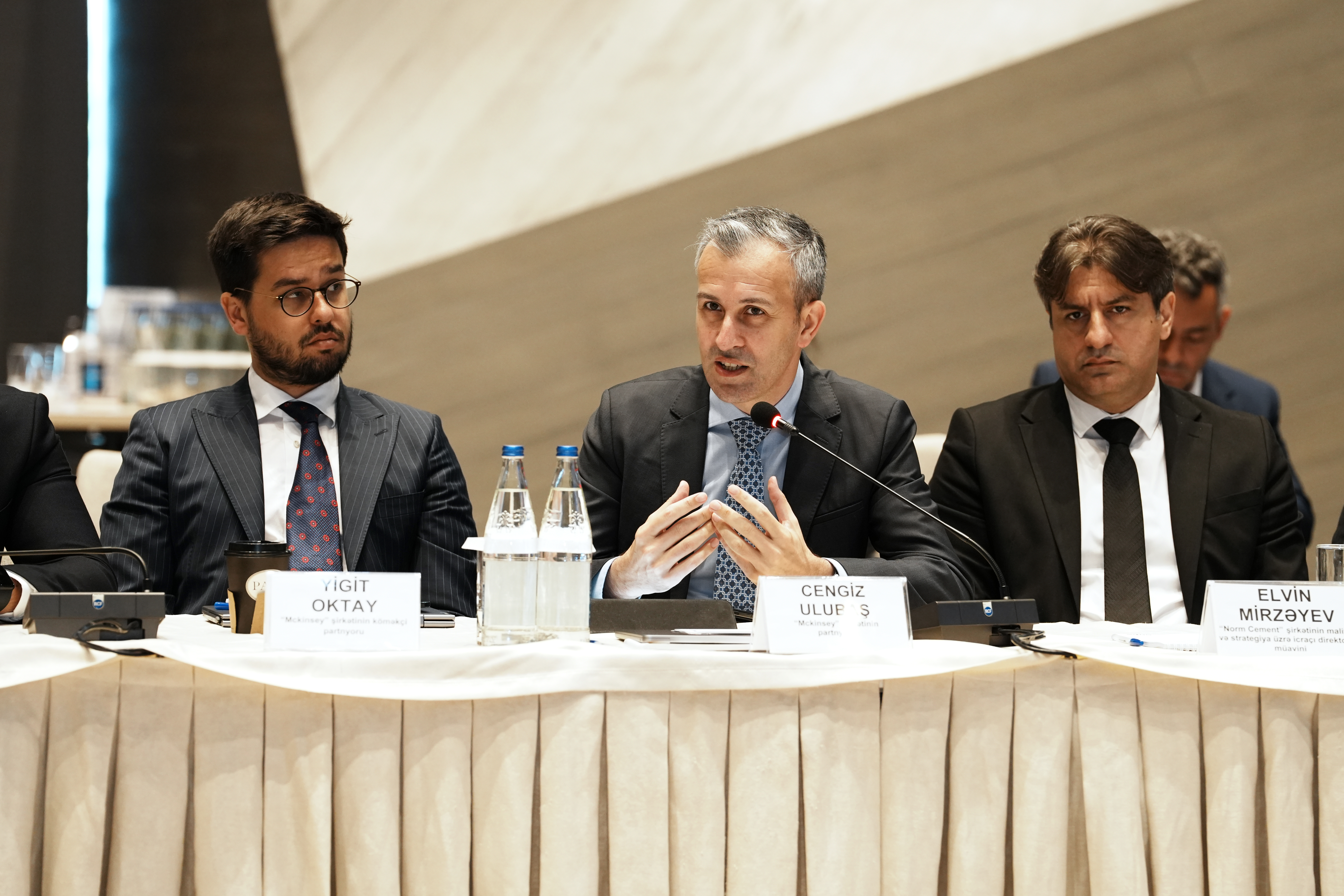
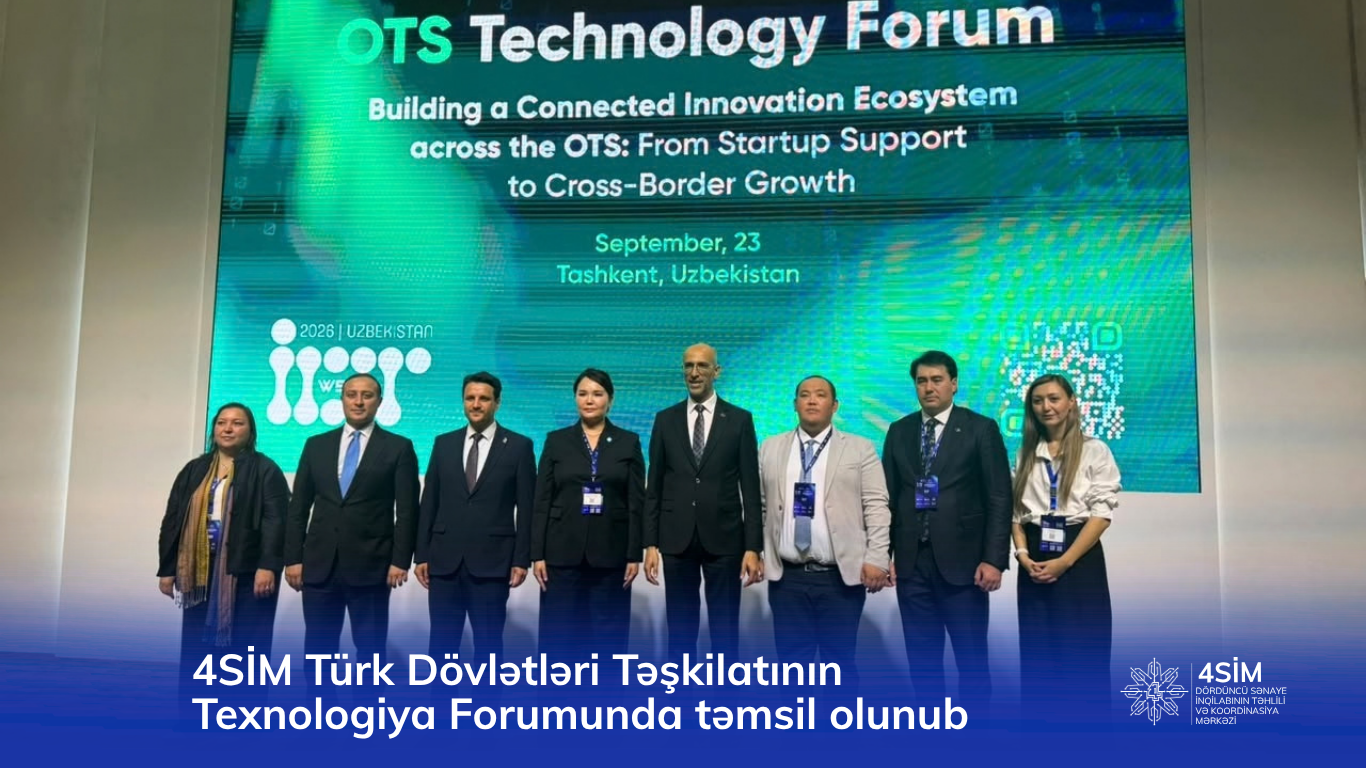
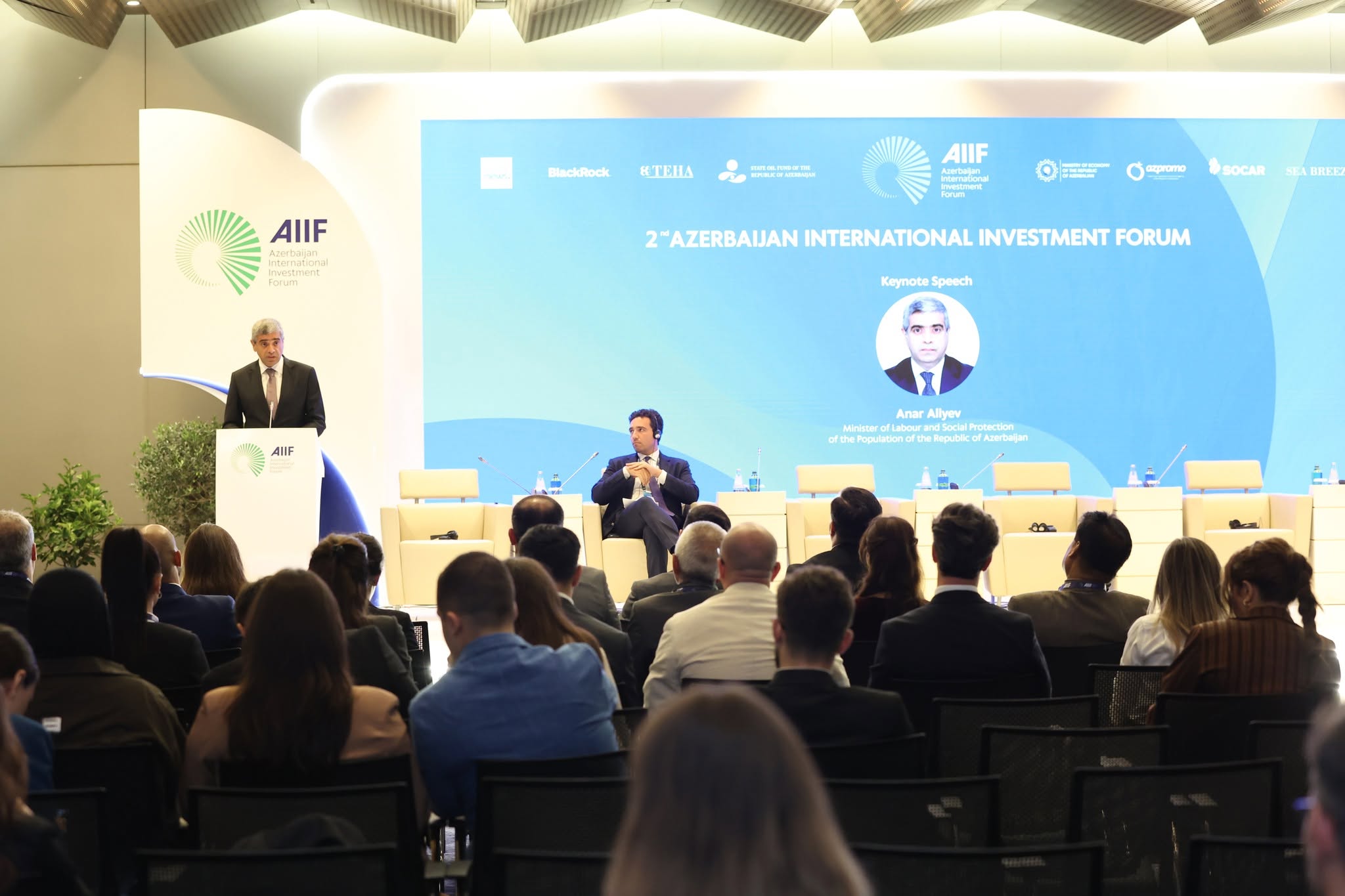
Leaders of enterprises participating in the Digital Economy Development Support Program, implemented by the Center for Analysis and Coordination of the Fourth Industrial Revolution (4SIM) under Azerbaijan’s Ministry of Economy, met to review progress on technological transformation roadmaps and discuss the next stages of implementation.
A meeting with the leaders of enterprises participating in the Digital Economy Development Support Program was held at Azerbaijan’s Ministry of Economy. The Program is being implemented as part of the Digital Economy Development Strategy of the Republic of Azerbaijan for 2026–2029.
The meeting provided an opportunity to review the results achieved under the Program, assess progress in implementing enterprise-level technological transformation roadmaps and identify opportunities for further cooperation.
Elnur Aliyev, First Deputy Minister of Economy, emphasized that technological transformation is a key priority on Azerbaijan’s economic development agenda. He noted that the country’s digital economy strategy seeks to accelerate transformation across business, government and society, expand the adoption of innovation and strengthen the competitiveness of the economy.
It was also highlighted that government-backed incentives and support mechanisms are designed to accelerate the private sector’s adoption of digital technologies and strengthen the position of Azerbaijani enterprises in global value chains.
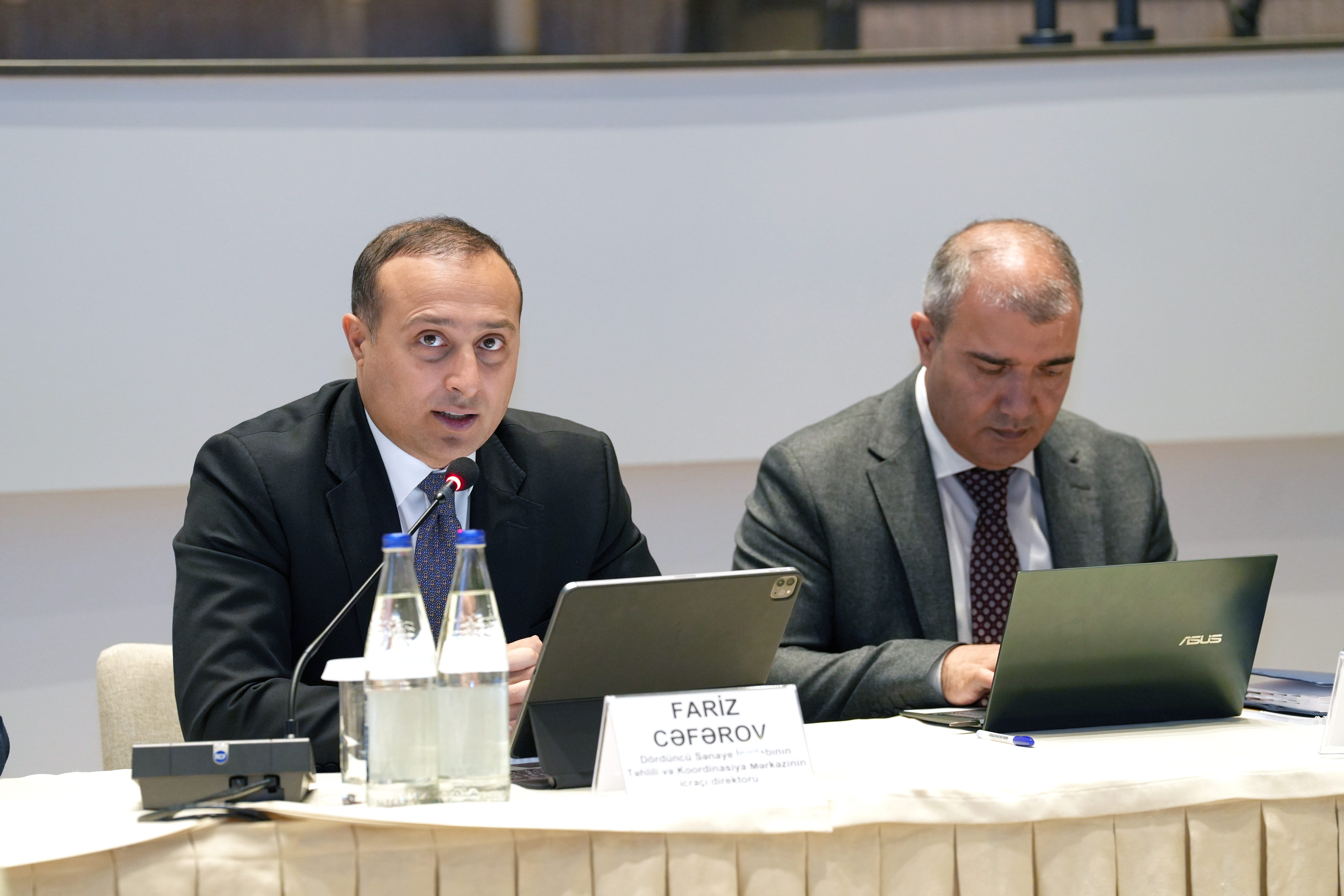
Fariz Jafarov, Executive Director of 4SIM, presented an overview of the work being carried out to support enterprise-level technological transformation under the Digital Economy Development Support Program.
As part of the Program, production and business processes have been assessed across enterprises operating in sectors including retail, food manufacturing, construction and industrial materials, metallurgy and industrial production. Their levels of technological readiness and sustainability have also been evaluated using internationally recognized methodologies.
More than 400 potential digital transformation initiatives and over 160 sustainability practices have been assessed across participating enterprises. From these, approximately 80 priority solutions were selected, with technical, operational and financial assessments developed to support their implementation.
Tailored roadmaps covering both technological transformation and sustainable development have been prepared for each participating enterprise, providing a structured pathway for the adoption of priority solutions.
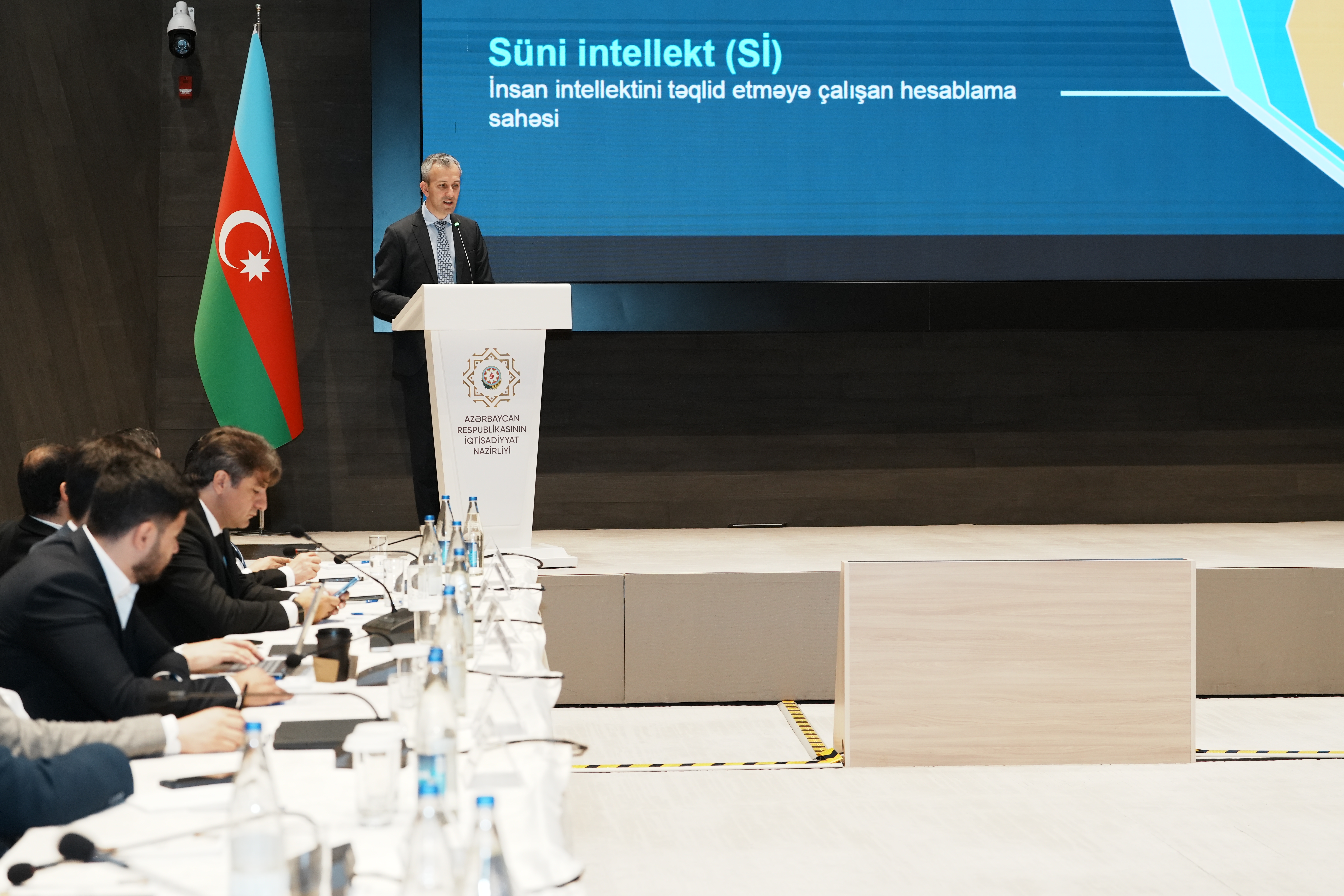
International experts also presented the Program’s results and shared leading global practices. The presentations explored enterprise priorities for digital transformation, data-driven management approaches, the potential application of artificial intelligence and other advanced technologies, and the impact of technological transformation on productivity and sustainability, drawing on the experience of the World Economic Forum’s Global Lighthouse Network.
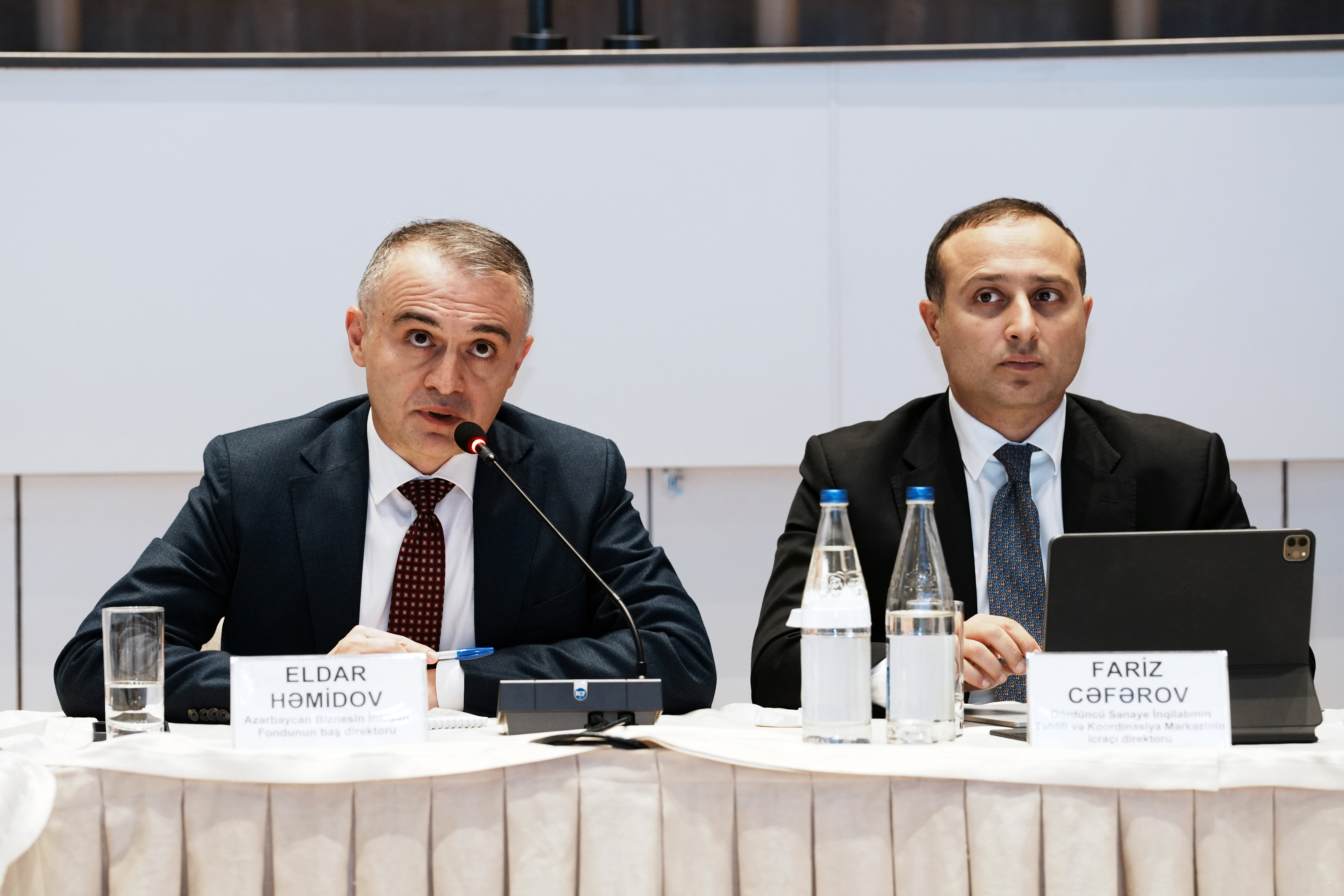
During the discussions, leaders of participating enterprises shared early results from the implementation of their transformation roadmaps, as well as their views and proposals for the next stages of the Program.
The exchange reinforced the importance of continued collaboration between the public and private sectors in scaling advanced technologies, improving enterprise productivity and resilience, and supporting Azerbaijan’s broader transition towards a more competitive digital economy.