Public and private sector leaders came together at Baku ID 2026 to discuss priority skills for Azerbaijan’s labour market and the next steps needed to strengthen human capital and build a future-ready workforce.
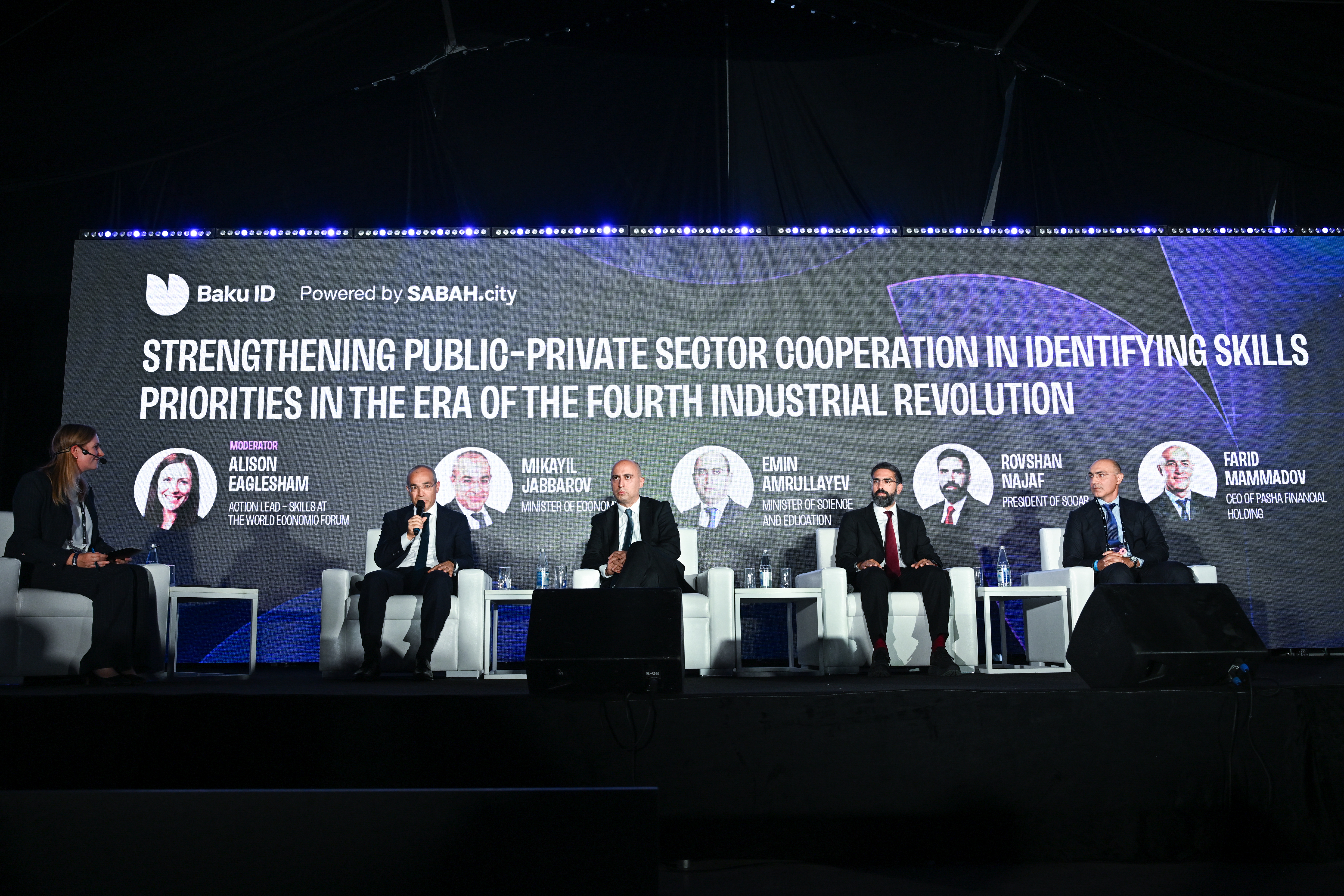
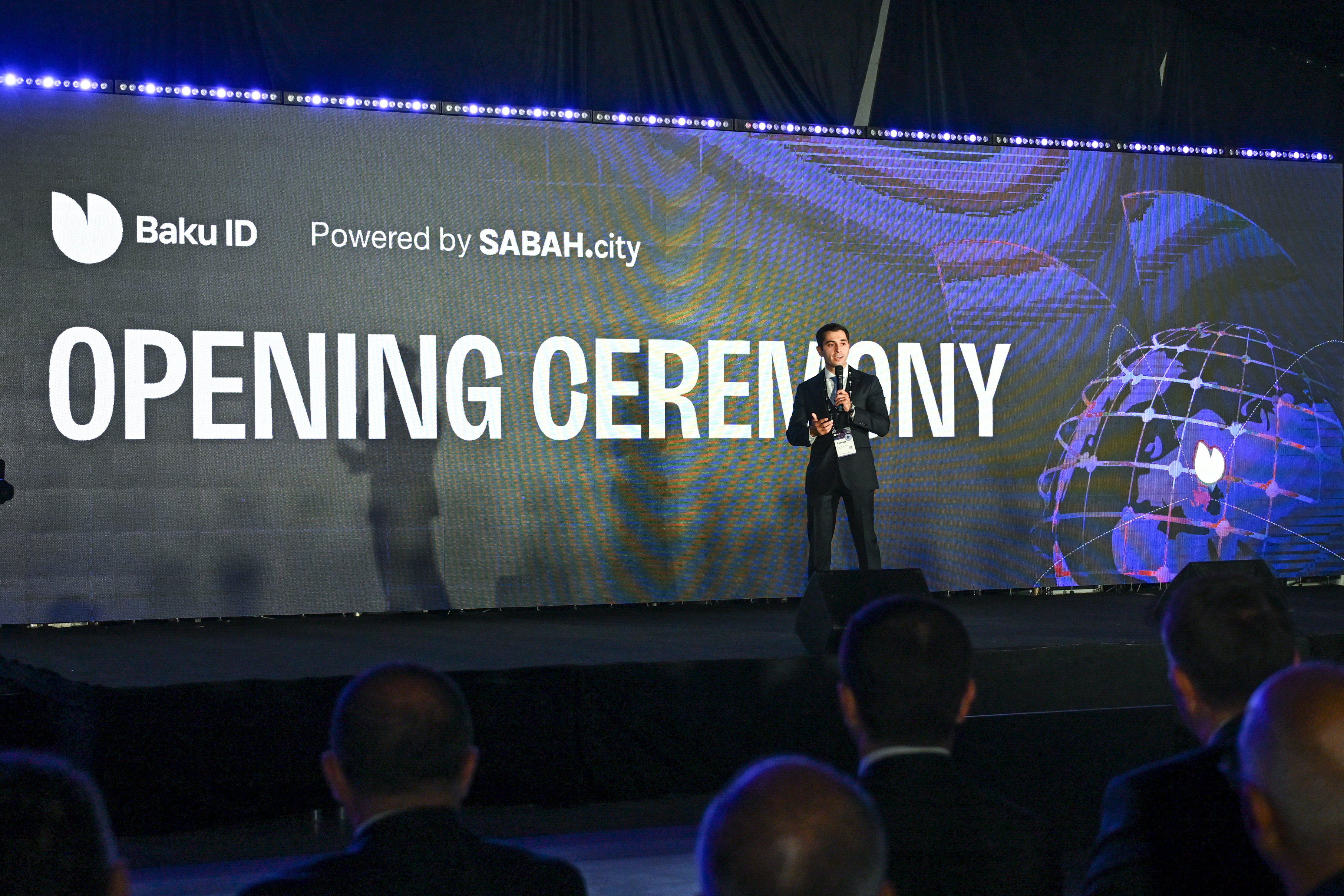
A panel discussion on the Azerbaijan Skills Accelerator was held as part of the Baku ID 2026 Innovation Festival at the SABAH.city innovation campus. The session was organized by the Center for Analysis and Coordination of the Fourth Industrial Revolution (4SIM) under the Ministry of Economy of Azerbaijan, a strategic partner of Baku ID 2026.
The panel, titled “Strengthening Public-Private Collaboration to Define Skills Priorities in the Fourth Industrial Revolution”, brought together the co-chairs of the Azerbaijan Skills Accelerator: Mikayil Jabbarov, Minister of Economy; Emin Amrullayev, Minister of Science and Education; Rovshan Najaf, President of SOCAR; and Farid Mammadov, Chief Executive Officer of PASHA Financial Holding.
During the session, the findings of a nationwide assessment of Azerbaijan’s skills ecosystem, conducted under the Azerbaijan Skills Accelerator programme, were presented. The assessment examined labour-market dynamics, existing skills gaps, competencies required for the digital and green transitions, lifelong learning and workforce mobility.
The findings highlighted a strong foundation in areas such as resilience, change management, strategic thinking and willingness to learn, while also identifying areas where further skills development will be important to meet the needs of a rapidly transforming economy.
Moderated by Alison Eaglesham, Action Lead for the World Economic Forum’s Skills Accelerator initiative, the discussion focused on strengthening public-private collaboration to identify national skills priorities and address emerging skills gaps.
Participants highlighted the importance of expanding capabilities in artificial intelligence and data, cybersecurity, applied digital skills and green skills to support the development of a competitive and future-ready workforce.
The discussion also emphasized the need to strengthen Azerbaijan’s capacity to develop and export its own knowledge, expertise and innovation, while building the skills required in strategically important sectors, including renewable energy, services and export-oriented industries.
Launched by the World Economic Forum in 2019, the Skills Accelerator Network now spans more than 45 countries. Through the initiative, nearly 15 million people have been supported in developing digital skills and accessing new economic opportunities.
The Azerbaijan Skills Accelerator officially joined the World Economic Forum’s Global Accelerator Network in November 2025. The initiative supports the development of human capital by identifying current and future skills needs and strengthening alignment between workforce capabilities and the evolving demands of the labour market.